
Transform Your Workspace with Simple, Effective Recycling Strategies
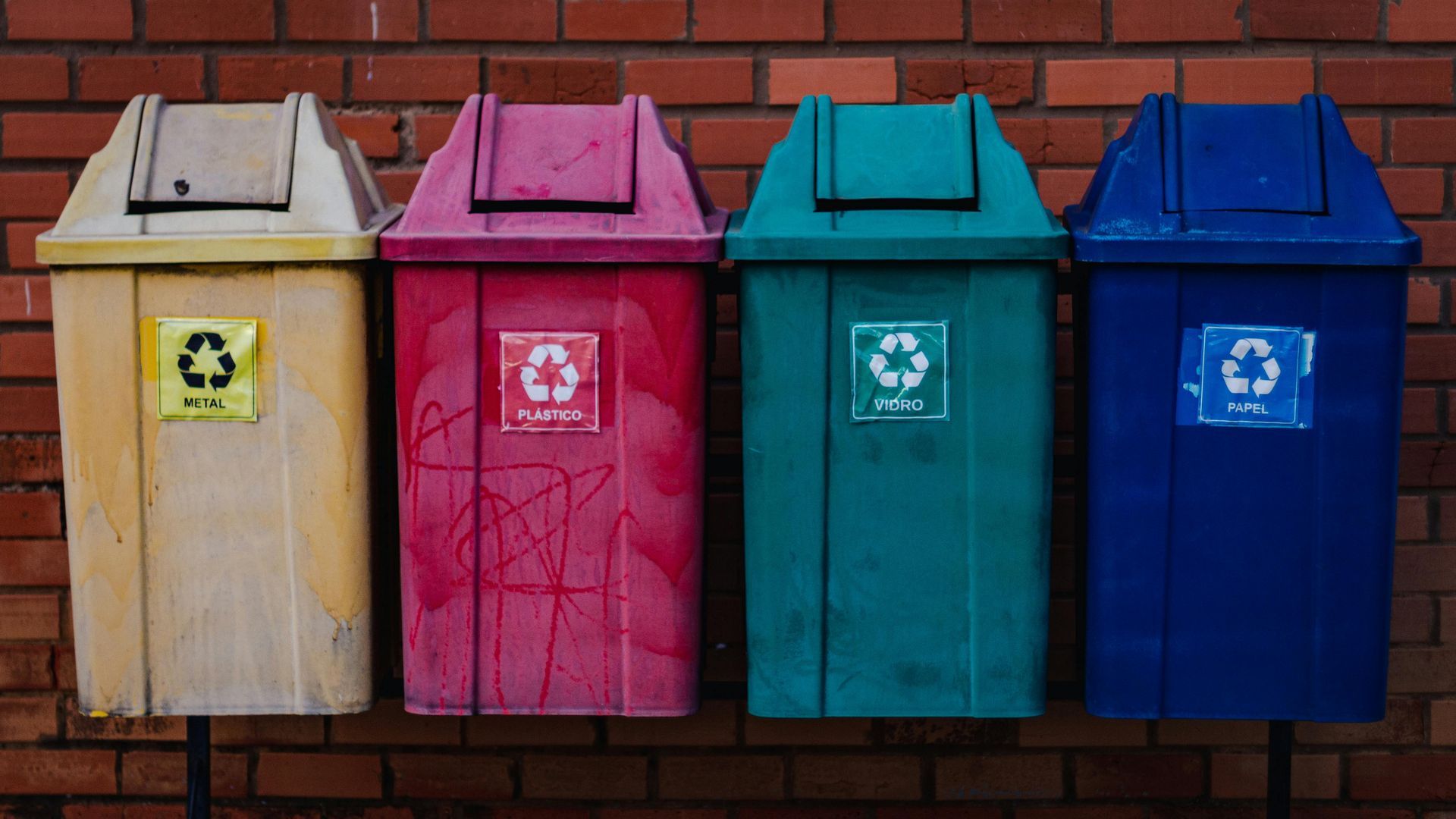
Recycling at the office is often overlooked, but it’s one of the simplest ways to make a big environmental impact while keeping your workplace organized and professional. From paper and plastics to electronics, the average office generates a lot of waste every day. Without proper recycling habits, much of it ends up in landfills, contributing to pollution and wasted resources.
The good news? Better office recycling habits don’t have to be complicated. With a few simple strategies, any business—big or small—can reduce waste, save money, and inspire employees to take part in sustainable practices.
Why Recycling Matters in the Office
Many people think recycling is just “nice to have,” but it actually has real benefits for businesses and the environment:
- Reduces landfill waste: Offices produce tons of paper, plastic, and packaging every year. Recycling keeps these materials out of landfills and reduces your company’s carbon footprint.
- Saves money: Recycling programs can cut waste disposal costs, especially when paper, cardboard, and metal are diverted from trash bins.
- Promotes a healthier workplace: Proper recycling and waste management reduce clutter, odors, and pests, keeping the office environment cleaner for employees.
- Boosts company image: Clients and visitors notice sustainable practices. Being an eco-conscious office shows responsibility and leadership.
Even small changes, like separating recyclables from regular trash, can make a huge cumulative difference.
Start with the Basics: Set Up a Recycling System
The first step toward better office recycling is creating a system everyone can follow:
- Paper and cardboard: Collect used office paper, envelopes, and flattened boxes. Avoid tissues or greasy materials—they aren’t recyclable.
- Plastics: Identify the plastics your local program accepts (usually #1 and #2). Rinse containers to prevent contamination.
- Metals: Aluminum cans, tin cans, and certain office supplies can be recycled. Keep them separate from trash.
- Electronics: Old computers, keyboards, and batteries require e-waste recycling. Partner with certified recycling centers for safe disposal.
Label bins clearly and place them in high-traffic areas like the break room, copy room, or near printers to make recycling easy and visible.

Common Office Recycling Mistakes to Avoid
Even well-intentioned employees can make mistakes that contaminate the recycling stream. Watch out for:
- Plastic bags: Many curbside programs cannot process these. Provide a separate collection point for them.
- Food-contaminated items: Coffee cups, pizza boxes, and other dirty materials can ruin otherwise recyclable batches. Encourage rinsing or composting.
- E-waste in trash bins: Electronics contain harmful components. Use certified e-waste recycling to avoid environmental damage.
Educating staff about these common pitfalls ensures your office recycling system actually works.

Practical Tips to Encourage Recycling in the Office
Turning recycling into a habit requires visibility, ease, and motivation:
- Visible bins: Keep recycling containers next to trash bins. Employees are more likely to recycle if it’s convenient.
- Provide clear instructions: Simple signs explaining what goes where can prevent contamination and confusion.
- Track progress: Share monthly updates on how much the office has recycled. Celebrate milestones to keep staff engaged.
- Lead by example: Managers and team leaders who follow recycling guidelines inspire others to do the same.

Think Beyond the Bin
Recycling is just one part of a sustainable office. Combine it with reduce and reuse strategies for maximum impact:
- Reduce: Minimize single-use items like plastic cups, cutlery, and packaging.
- Reuse: Repurpose materials such as folders, envelopes, or cardboard boxes.
- Green purchasing: Choose office supplies with recyclable packaging or made from recycled materials.
The more holistic your approach, the more effective your office recycling program becomes.

Benefits of Professional Support
For larger offices, professional recycling or waste management services can make a big difference:
- Ensure compliance with local recycling regulations
- Provide specialized bins and collection schedules
- Handle e-waste and hazardous materials safely
- Offer educational programs for employees
Investing in professional recycling services can save time, reduce mistakes, and increase the overall impact of your office sustainability efforts.

Better office recycling is achievable with a few simple habits: set up a clear system, educate staff, avoid contamination, and combine recycling with reduce and reuse strategies. The result? A cleaner, greener, and more professional workspace where employees feel proud and clients notice the difference.
Every bottle, can, and sheet of paper recycled makes a difference. Start small, stay consistent, and watch your office become an example of sustainability that inspires others.
Ready to transform your office into a recycling powerhouse? Set up clear bins, educate your team, and consider partnering with a professional recycling service. Make your workplace cleaner, greener, and healthier for everyone today.
Let's Connect!
Start your journey to a clean office with a free consultation.
Your facility deserves more than guesswork! Our in-person and virtual consultations make sure every corner of your facility gets the attention it needs.